
Advice and Rental Assistance Programs Available to Landlords
On December 28, 2020, the New York Senate Special Session was held to consider the COVID-19 Emergency Eviction and Foreclosure Prevention Act. The bill is

Connecticut Real Estate Market
The collective impact of COVID-19 is in a constant state of flux—with the public and private sectors scrambling to adjust for this unprecedented event and

State of the Florida Private Lending Market
Since the onset of Covid-19, only a handful of commercial banks are still lending on mid-size construction projects in South Florida. As the pandemic swept
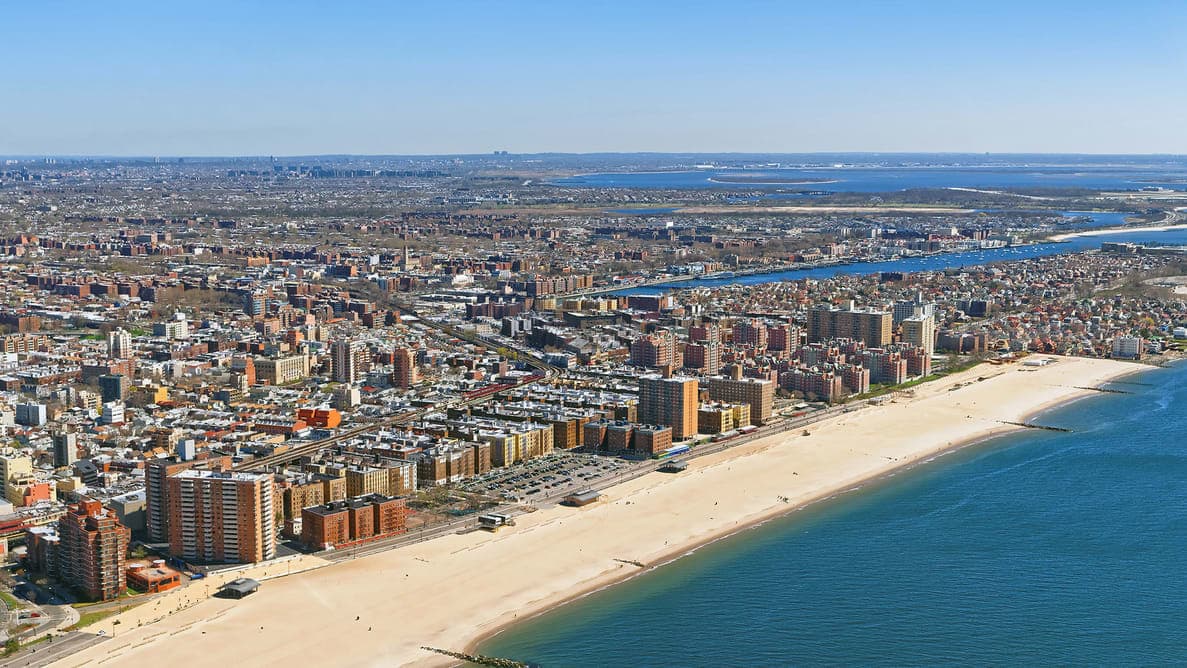
COVID-19 Creates Opportunity for Your Dream Investment in New York
To say 2020 has been unprecedented would be a dramatic understatement. COVID-19 has created a shift in all aspects of American culture, especially in the

COVID-19 Migration Creates Unique Fix-and-Flip Opportunity in Florida
Real estate markets do not react favorably to uncertainty. With the presidential election looming and the continued COVID-19 pandemic impacting the economy, there is a

Expand Your Reach Outside the New York Market: Tips for Hard Money Lenders
Tips for Hard Money Lenders More than ever there are abundant expansion opportunities for hard money lenders outside New York City and the Boroughs. Due

Different Ways Hard Money Lenders Can Expand Their Reach Outside New York Market
More than ever there are abundant expansion opportunities for hard money lenders outside New York City and the Boroughs. Due to the significantly decreased demand,

How Real Estate Professionals Can Get Ahead During This Time
With no foreseeable end in sight when it comes to the ongoing pandemic, many real estate investors are pondering whether the timing is right to

New York Market Shows Early Signs of Recovery
After several trying months, the New York City real estate sector is rebounding. Following the city’s phase 2 reopening phase, data sourced by UrbanDigs indicated

How Long Will It Take for the Housing Market to Recover from Coronavirus?
This is the million-dollar question asked by both clients and colleagues. When will there be some “normalcy” in the market? In the wake of the